
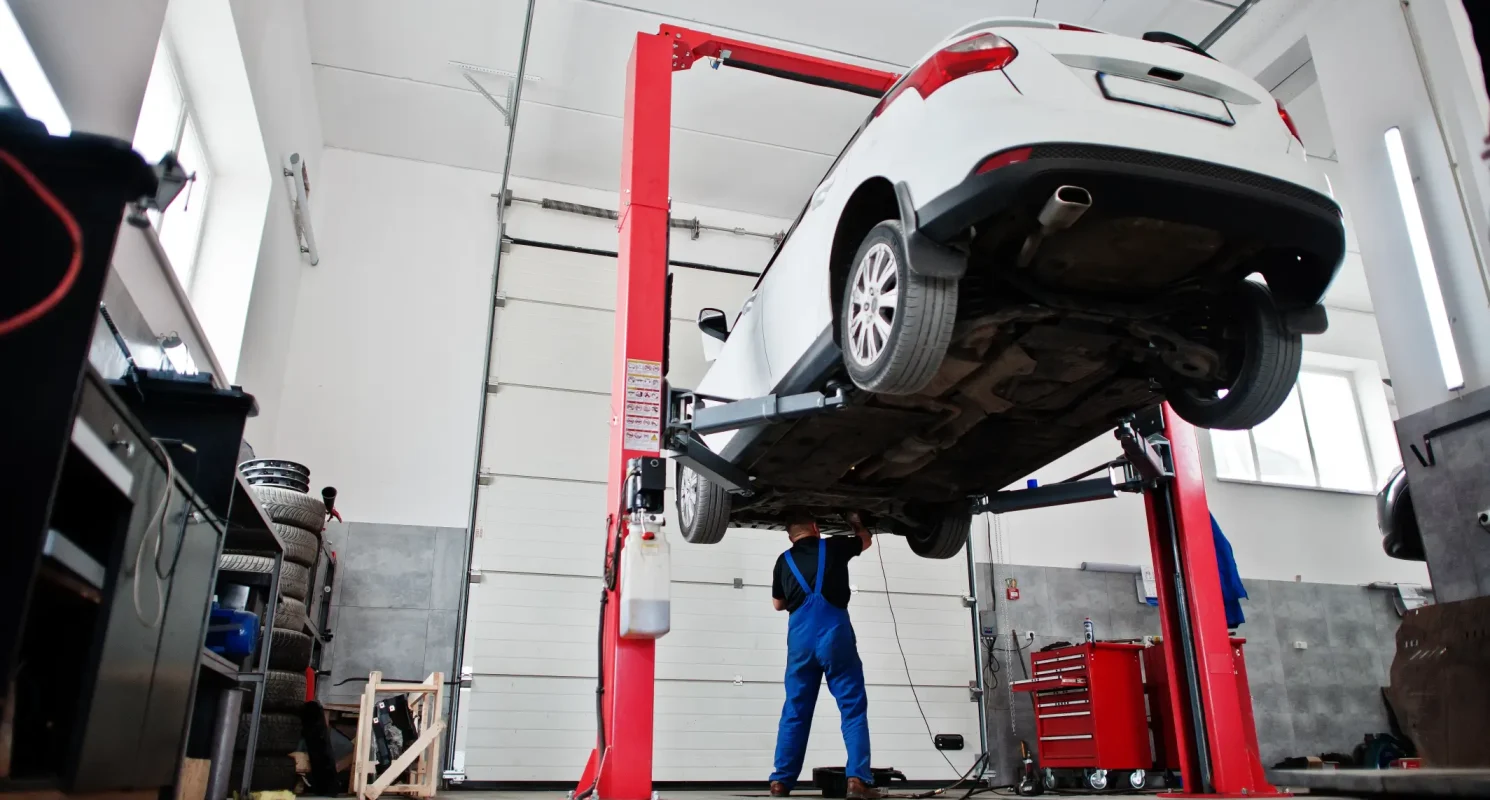
Garage equipment finance exists because workshop kit has a habit of forcing your hand. A ramp fails its inspection, a diagnostic platform stops being supported, or a customer asks whether you can MOT their 4.5 tonne van and you have to say no.
None of those are small purchases. A two-post lift is a few thousand pounds. A full Class VII MOT bay, with the longer lift, the heavier brake tester and the headroom to use them, runs well into five figures once installation and groundworks are counted. For most independent garages that is not a sum that comes out of the current account.
It is, however, exactly the kind of purchase garage equipment finance was designed for, because the equipment earns from the day it is commissioned.
What garage equipment finance covers
We arrange funding across the full range of workshop kit, from a single item to a complete fit-out:
Deals range from a single piece of kit through to a full workshop fit out, and it is usually possible to bundle several items into one agreement rather than running separate applications. The garage equipment finance page covers the detail.
Why the Class VII question keeps coming up
Light commercial vehicle volumes on UK roads have grown steadily, driven by home delivery and trades, and a good proportion of those vans fall into Class VII rather than Class IV. Testing standards and classes are set by the Driver and Vehicle Standards Agency.
For a garage already set up for cars, adding Class VII capability is one of the clearer investment cases in the trade. The customers are local, the work is recurring annually, and once a fleet operator finds a garage that can test their vans they rarely go looking for another. The barrier is almost never demand. It is the cost of the longer lift, the uprated brake tester and the building work to accommodate them.
Spreading that over a three or five year term changes the question from whether you can afford the equipment to whether the additional testing revenue comfortably covers a fixed monthly payment. For most garages with the space, it does.
Garage equipment finance: lease, hire purchase or refinance
Three structures cover most garage equipment finance, and the right one depends on the asset.
Hire purchase tends to suit lifts, MOT bays and anything bolted to the floor. This is equipment with a long working life that you intend to keep, and at the end of the agreement you own it outright. Capital allowances may be available on the asset.
Finance lease works better for equipment you expect to replace or upgrade, which increasingly means diagnostics. Vehicle technology moves quickly and a diagnostic platform that is current today will look dated in five years. Fixed payments, use of the equipment throughout the term, and payments normally treated as a business operating expense.
Asset refinance is the one most garages overlook. If you already own equipment outright, you can release the value tied up in it as working capital without selling it or losing the use of it. For a workshop with a yard full of owned assets and a cash flow pinch, it is often the quickest route to funding.
Why downtime is the real argument for garage equipment finance
When a ramp goes out of service, the bay stops earning but the overheads carry on. Rent, rates, wages and insurance do not pause while you decide how to fund a replacement.
That is the argument for sorting the funding question before you are forced to. A garage that already knows what it can borrow and on what terms can order a replacement the same week. A garage starting the conversation from scratch while a bay sits empty loses money every day of the process.
Straightforward applications usually get a lender decision back within 24 hours, and paperwork is signed online, so the gap between deciding and ordering can be very short.
Can newer garages get garage equipment finance
Independent garages are frequently set up by technicians who have spent years working for someone else and finally gone out on their own. That is a strong background and a weak file, as far as a high street bank is concerned, because there are no filed accounts to look at.
Specialist lenders weigh it differently. They look at the operator’s experience in the trade, the work the business is winning, and critically the asset itself. Workshop equipment holds its value and is straightforward to recover and resell, which makes lenders more comfortable than they would be funding something intangible. Our start-up funding page explains the approach.
Our Fir Tree Motors case study is a useful example of how a motor trade deal comes together.
How it works
Tell us what you want to buy, what it costs and a little about the business. We take that to our panel of over 200 lenders, including our own in-house facility, and come back with the realistic options rather than a single take it or leave it answer. Once you pick one, the documents are signed online and funds are normally paid to the supplier so you can place the order.
If you want to run the numbers yourself first, our calculator will give you an idea of monthly costs across different terms.
Talk it through
Whether it is one ramp or a full fit out, garage equipment finance works the same way, and it is worth knowing what the monthly figure looks like before you commit to anything. Get in touch and we will talk through your next piece of kit.
Talk To Us About Funding Your Next Purchase
Complete Leasing Solutions has been arranging business finance since 2004, with more than 30,000 completed transactions and a dedicated account manager on every deal. We work with a wide panel of UK lenders, so you get the right facility rather than whatever one bank happens to offer.
Tell us what you need and we will tell you honestly whether we can help, and what it is likely to cost.
A quick call to understand the asset, the budget and the timescale.
We match your requirement to the most suitable lender on our panel.
Paperwork handled, decision confirmed, and your supplier paid.